No products in the cart.

Various Printing Options

Imprint Guide

Pad
pad_print_02

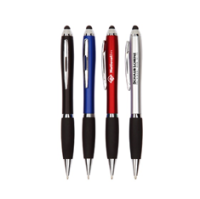
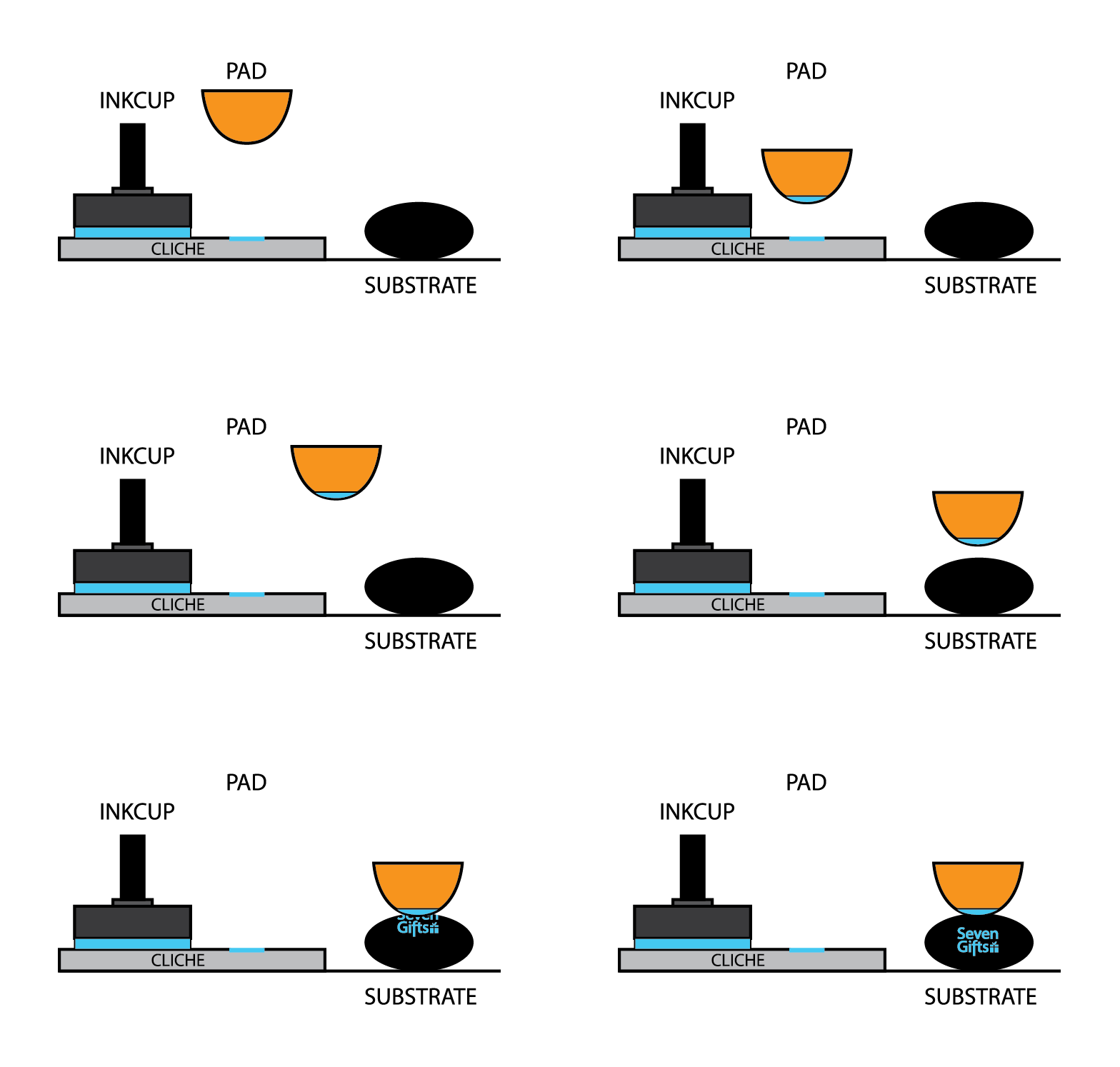
Pad printing is using a silicon rubber pad to transfer ink from an engraved printing plate onto any surface. It is known as Tampography, the process is similar to a rubber stamp and ink pad. Pad printing is more environmentally friendly because the ink smell will not stay on the object.

  • Suitable for small and irregular surface
  • Commonly used on key chains, pens & small plastic giveaways.

Block charge will be applied to produce the printing plate.
Types of ink use differs according to the material you wish to print on.

silklscreen_print_02

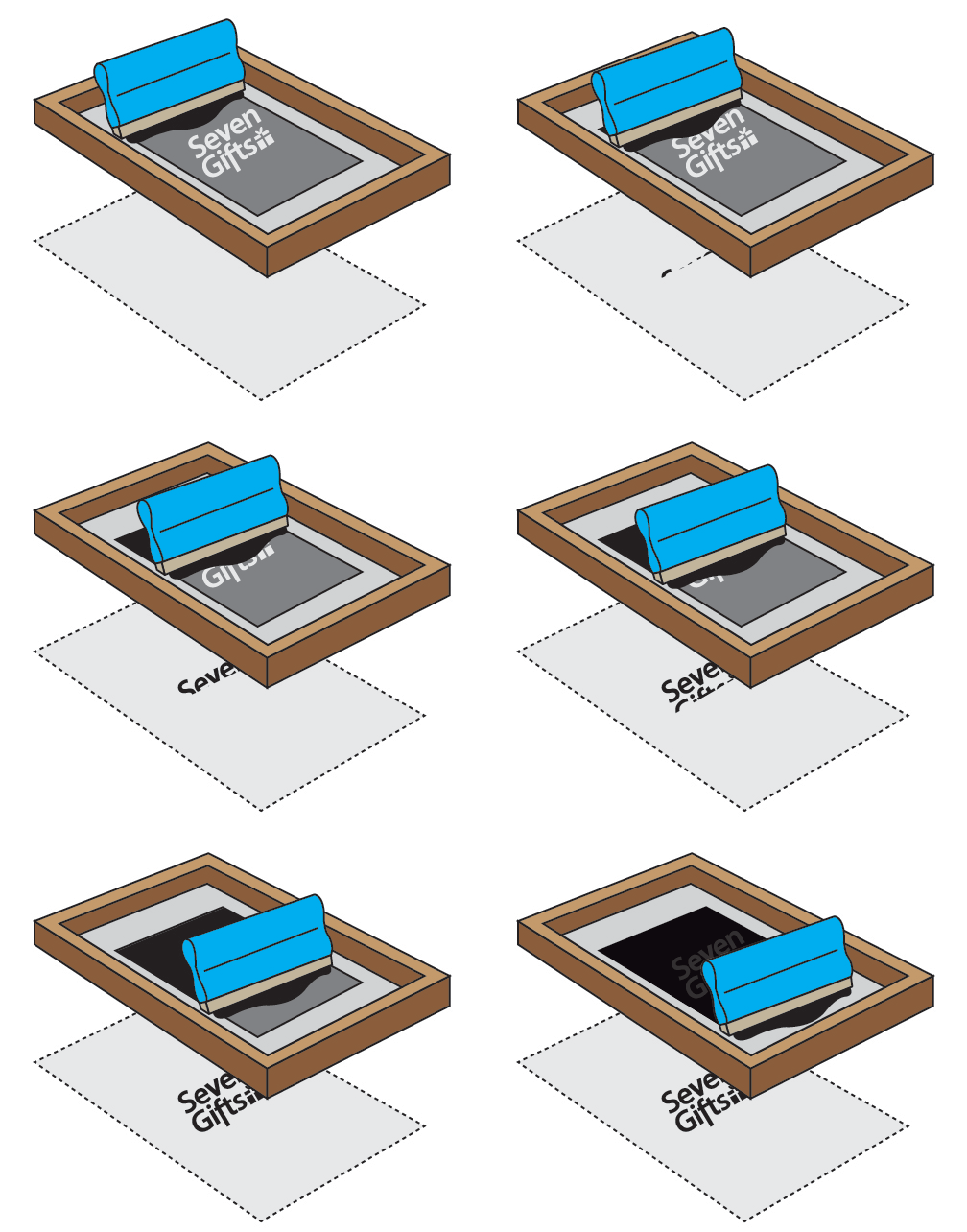
Silkscreen printing is the most common and budget-friendly imprint method. Your design will be burned onto the screen, ink is then applied and pressed through by using squeeze.

  • Suitable for medium to large size prints
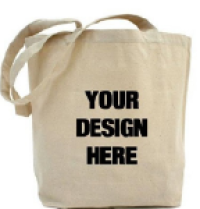
  • Commonly used on apparel, drinkware & bags

The number of printing is determined by color – one color per screen. Block charge will be applied to produce the silkscreen.


Heat transfer is a process whereby your image is pre-printed and trimmed out, then applied to the product by using heat to seal it onto them. Iron-on transfer is a simplified version of this printing.

  • Suitable for larger prints and multiple colors

Price is subject to your artwork and types of ink required

roller_print_02


Roller printing is a method of printing uses a series of engraved metal rollers. Each roller contains parts of the pattern to be printed in one color.

  • Commonly used on fabrics.

Block charge will be applied to create roller.

b2ap3_thumbnail_USB-2


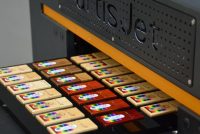

UV printing is a form of digital printing uses UV light to dry / cure ink immediately as it is printed on the surface. The wet ink do not spread out once printed, resulting in much finer and attractive detail. Not only it is more resistant to fading, it is also environmentally friendly due to low output of VOC’s, odor and heat.

  • Suitable for designs with multiple colors.
embroidery_02


Embroidery is a process whereby an embroidery machine is used to stitch your artwork onto the product (mostly textiles).

  • Suitable for textiles
silicon_print_02

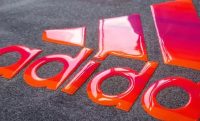
Silicone print is a printing process on a silicone material by using a silicone based ink. This is because only silicone itself can stick to its own surface, any other ink printing on silicone will be rubbed off easily. Unlike other printing, silicone printing is only limited to one solid color for one design. However, multiple colors is still possible if the design is positioned at different place.

laser-engraving-on-wood-4-500x500

Heat transfer is a process whereby your image is pre-printed and trimmed out, then applied to the product by using heat to seal it onto them. Iron-on transfer is a simplified version of this printing.

  • Suitable for larger prints and multiple colors

Price is subject to your artwork and types of ink required

deboss_emboss_02

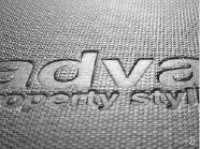
Debossing produces indentation on a surface with a metal plate, creates a pressed-down design.
Embossing creates a raised-up look. Both imprint suggest a slight 3-D design.

  • Commonly used on paper and leather products.
digital_foil_02



Similar to traditional hot stamping however stamping die / block is not required. Digital foil stamping applies metallic foil to paper product with heat by using a digital printer machine. The shiny metallic foil creates a more eye-catching effects on your design.

  • Commonly used on paper and PU products.

Price is subject to your artwork size, foil color and product type.